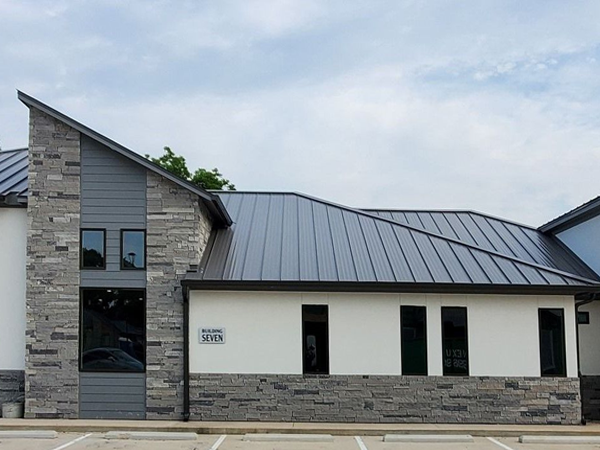
16700 House Hahl Road, Building 7
Cypress, Texas 77433

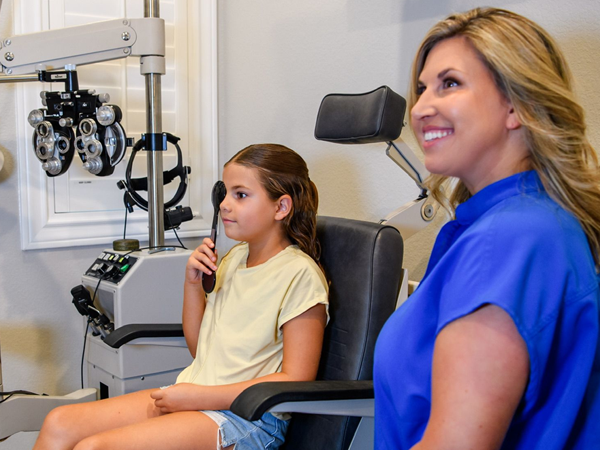
Adult & Children Eye Exams
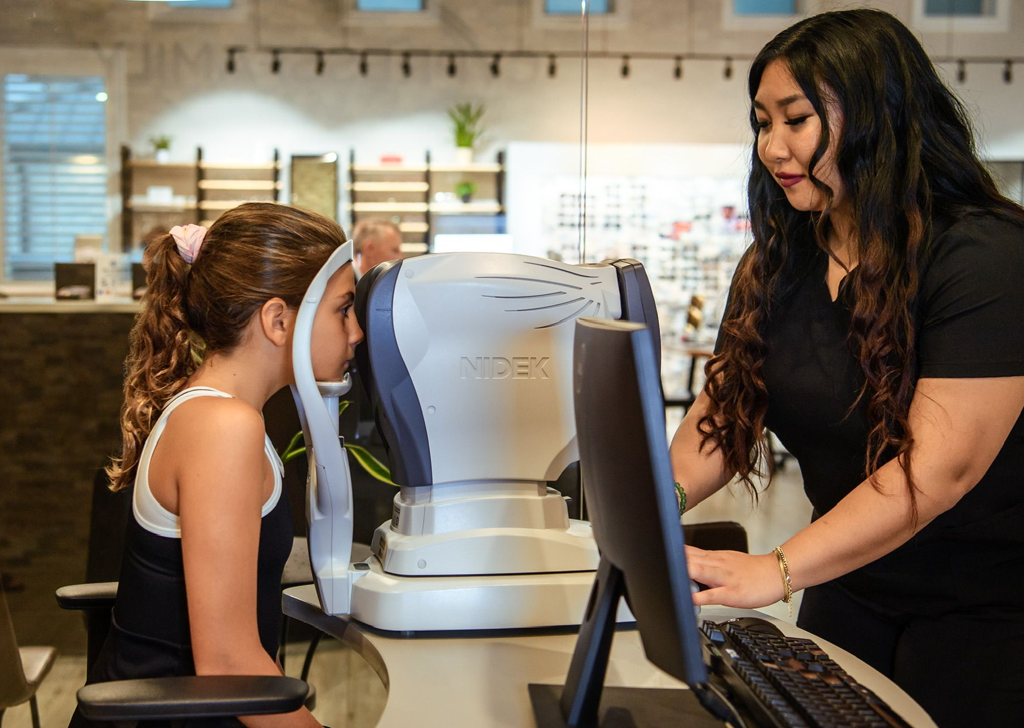
Our Exams Include:
Testing of visual acuity and refractive error
Eye muscle balance and focusing
Glaucoma testing
Sensory and neurological evaluation
Dilated exam of the internal structure of the eyes (as needed)
Screening for glaucoma, cataracts, hypertension and diabetes
Adult Eye Exams
At Cypress Family Eyecare, our number one priority is to ensure that our patients receive superior eye care. An exam may also include tests for color vision and depth perception, visual fields, and other vision skills, as needed. We also perform Refraction which is a test for the eyes’ ability to focus light rays properly on the retina at near and far distances.
Our adult examination includes the following evaluations:
Chief Complaint
Assessment of the patient’s reason for getting an eye exam
General Physical Health History
Complete health history to screen for physical conditions and medications that may affect eyesight
External & Internal Eye Health Evaluation
Examination for the signs of eye disorders, including cataracts and other eye disorders
Current Prescription Analysis
Assessment of the patient’s reason for getting an eye exam
Visual Coordination
Complete health history to screen for physical conditions and medications that may affect eyesight
Visual Acuity
Complete eye health history including family history of eye conditions, disease, or medication
Accommodative Ability
Examination for the signs of eye disorders, including cataracts and other eye disorders
Tonometry
Examination for the signs of eye disorders, including cataracts and other eye disorders

Children's Eye Exams
Children should receive their first eye exam at the age of six months, then again when the child turns three. Subsequent exams should be given before the child starts school, then every two years after that. Based on family history or other indicators, your eye care professional may recommend a more frequent exam schedule.
Many eye disorders, including hyperopia (farsightedness), myopia (nearsightedness), and amblyopia (lazy eye) can occur in early childhood, and may affect your child’s ability to learn. A comprehensive eye exam can detect these and other disorders.
In between eye exams, you can take an active role in monitoring your child’s vision. For instance, regularly ask your child to describe the way he or she sees objects up close or at a distance (across a room or street). The child may not realize if his or her vision is not clear and sharp.
Look for the following signs that your child may have vision problems:
Squinting
One or both eyes turning in, out, up, or down
Head turn or head tilt
Frequent headaches
Inability to copy notes from a blackboard
Reversals of words or letters
Frequent rubbing of eyes or tearing
Eye redness or crusting of eye lids/lashes
Eye pain
Disinterested in close work, such as coloring or reading sitting very close to the television (indicating that he/she can’t see if made to move back)
© 2026 Cypress Family Eyecare. All rights Reserved. Accessibility Statement - Privacy Policy - Sitemap
Managed and Designed By
