

16700 House Hahl Road, Building 7
Cypress, Texas 77433

5 Warning Signs of Vision Problems in Children You Shouldn’t Ignore
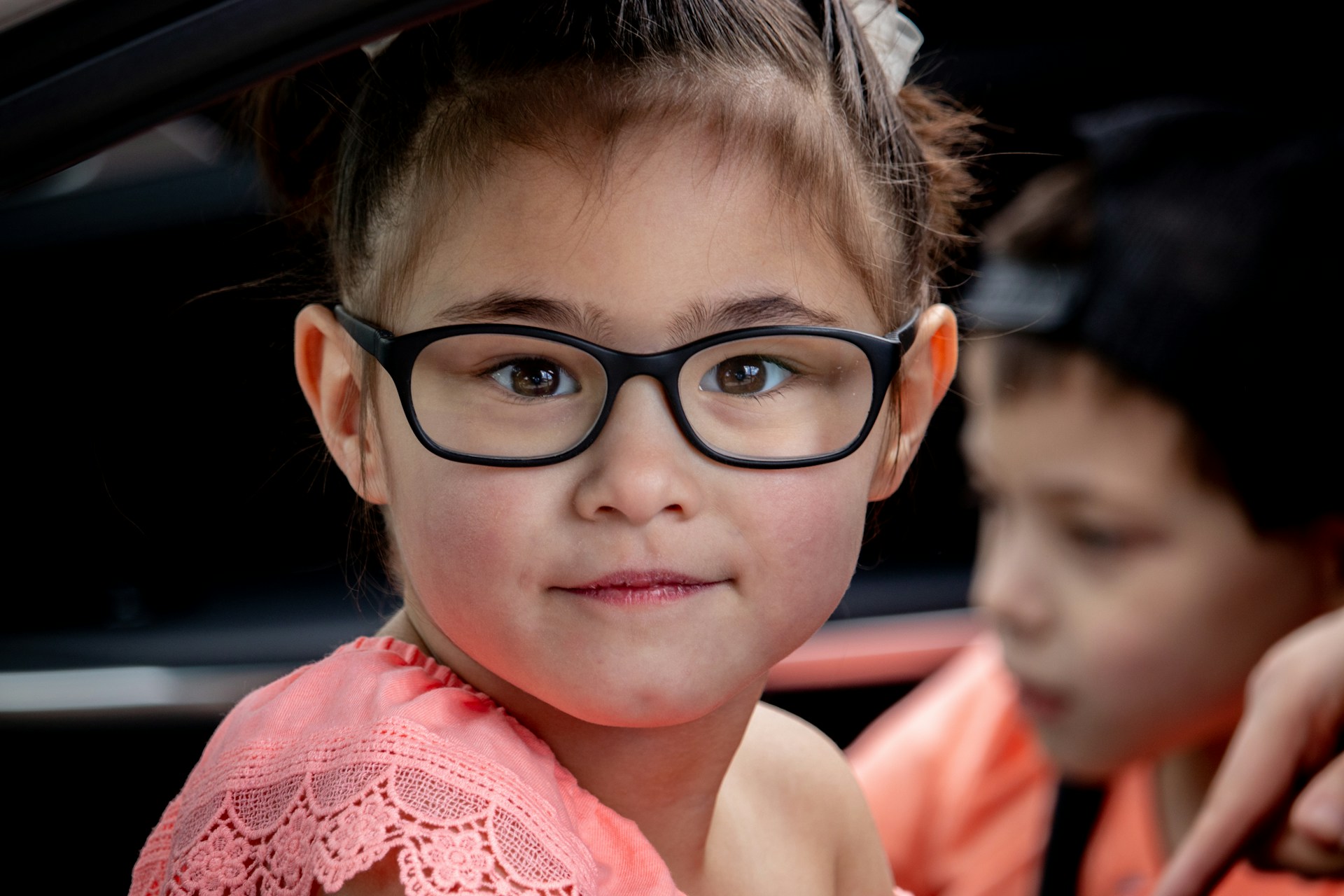
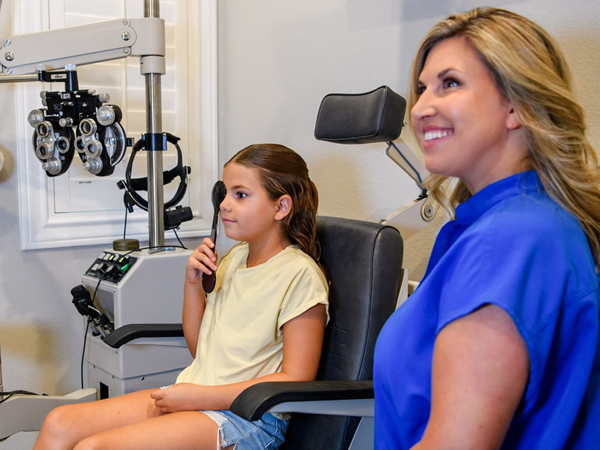
Recognizing vision problems in children can be quite challenging for parents. Many kids cannot verbalize or might not even be aware of their vision issues. This is why it’s incredibly important to pay attention to certain behaviors or signs that might indicate trouble. By catching these issues early, you can seek the right help and potentially prevent more severe problems down the line. One of the more noticeable signs of potential vision problems is frequent squinting or tilting of the head. Children often squint to improve clarity, which might indicate they have difficulty focusing on objects. Similarly, head tilting helps them to see more clearly if they are dealing with issues like misalignment or astigmatism, where certain parts of their visual field are clearer than others. Kids are drawn to digital screens, which is no surprise in this tech-heavy world. However, if your child regularly sits too close to the TV or holds a tablet closer than normal, it might be more than an innocent habit. Sitting close could indicate nearsightedness, where distant objects appear blurry to them. Headaches or eye pain can be a red flag for underlying vision problems in children. These symptoms may result from eye strain when kids struggle to see clearly, often occurring after long periods of reading or screen time. Rather than dismissing these complaints as minor or normal, take them seriously and investigate further. An inability to focus on schoolwork often ties back to vision problems. Kids who have trouble seeing the board clearly or reading textbooks might show less interest in academics, which can affect their overall performance. Simple tasks may also become frustrating, leading to a dislike of school. Avoidance of Schoolwork: Notice if your child avoids tasks involving reading or visual concentration. Lower Grades: Observing declining scores may suggest difficulty in seeing or concentrating. Recognizing these behaviors can make a big difference in your child’s academic success. Set up an appointment to check if vision correction is required to support better concentration and learning. Constantly rubbing eyes is more than just an innocent gesture; it can signal discomfort due to blurred vision or fatigue from straining. This behavior might indicate that a child’s eyes aren’t functioning as they should, making it important to monitor. Recognizing these warning signs early is key to addressing potential vision problems. As a parent, staying vigilant and noting these behaviors in your child can facilitate timely interventions. Regular eye check-ups ensure that any issues are detected and treated early, supporting not just eyesight but the overall well-being and academic success of your child. Checking in with experts ensures your child can see the world clearly and enjoy all their activities to the fullest.
Early detection of vision problems can lead to better treatment options, giving your child the best chance to thrive in school and everyday activities. Ignoring these early warnings might mean missing out on opportunities to correct or improve vision. So, it’s crucial to know these signs and act when necessary.
Frequent Squinting or Head Tilting
Sitting Too Close to Screens
Complaints of Headaches or Eye Pain
Trouble Focusing on Schoolwork
Here are signs to watch for:
Excessive Rubbing of Eyes
Ensuring Your Child’s Vision Health
To support your child’s vision health and catch any potential issues early, arrange for regular eye exams. Cypress Family Eyecare offers thorough evaluations tailored for young eyes. Learn more about how their comprehensive children’s eye exams can help ensure your child sees the world as clearly as possible.
© 2026 Cypress Family Eyecare. All rights Reserved. Accessibility Statement - Privacy Policy - Sitemap
Managed and Designed By
