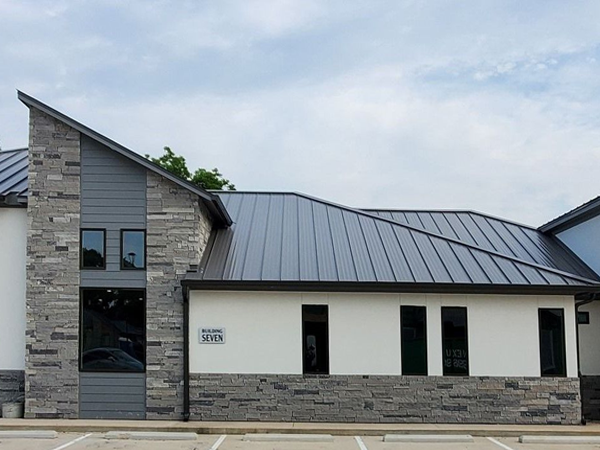
16700 House Hahl Road, Building 7
Cypress, Texas 77433

Blog list
Cypress Family Eyecare Blog
Learn more about optometrist care in our blog!
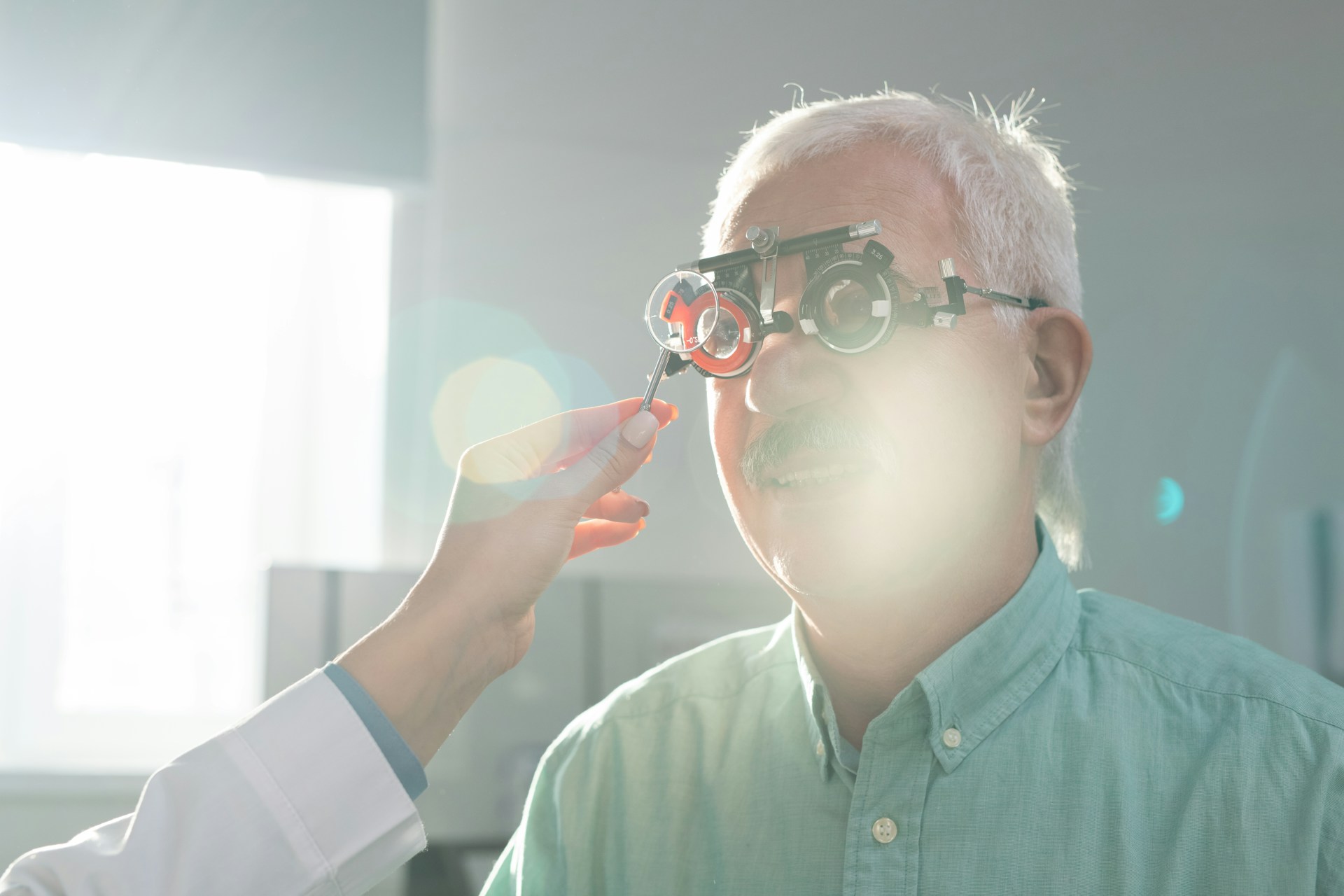
Aging affects every part of our bodies, including our vision. As we get older, it’s common to experience changes in how well we see. You might find it harder to read fine print, your eyes may feel drier, and driving at night can become challenging.
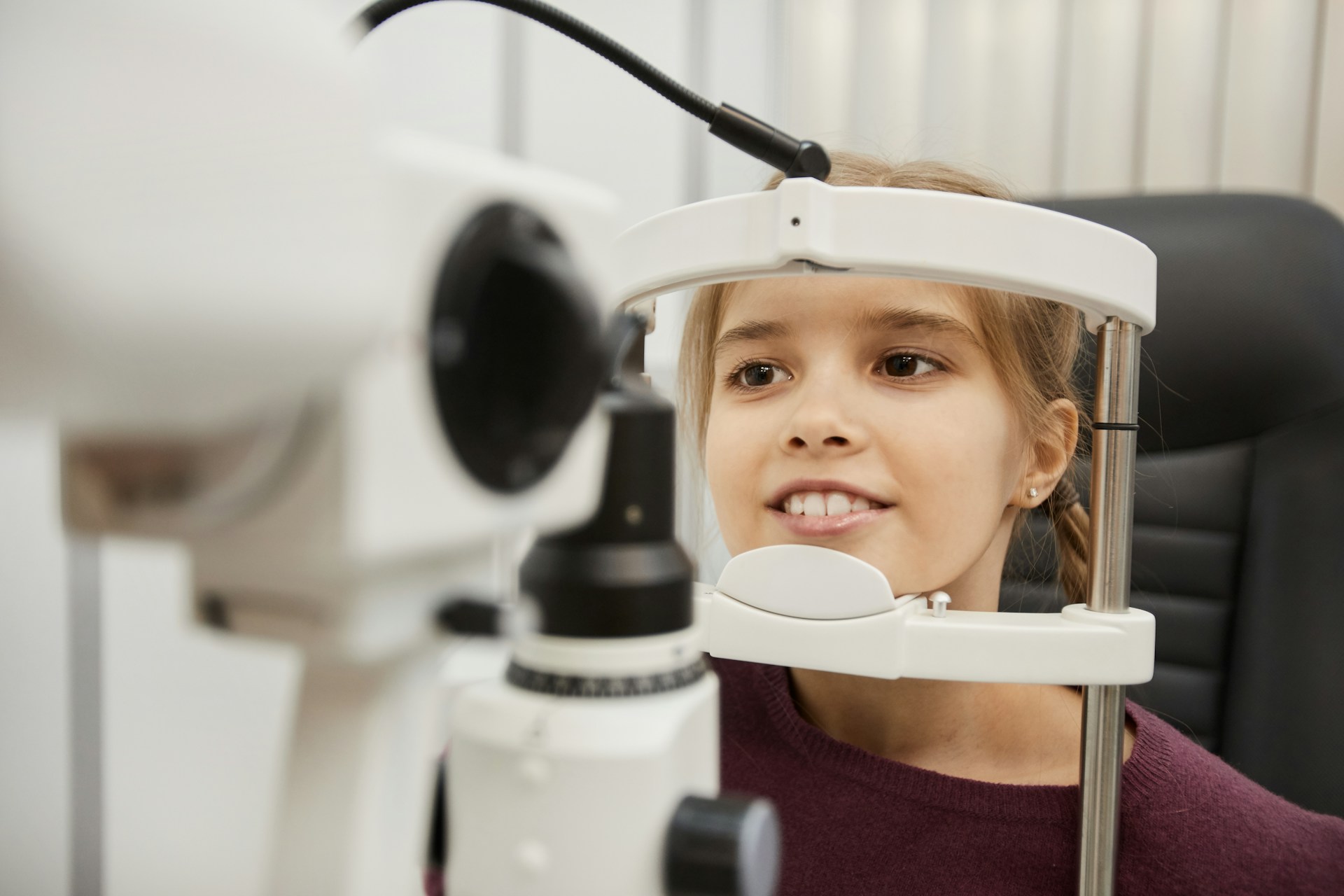
Pediatric eye care follows a different path than adult exams, and knowing those differences can help parents feel more confident and prepared. Children go through stages of eye development, and they don’t always have the words to tell us something feels off.
Presbyopia is a common eye condition that often starts in your early 40s. It makes it difficult to see objects up close, like when you are reading a book or looking at your phone. This happens because the lens in your eye becomes less flexible as you get older.
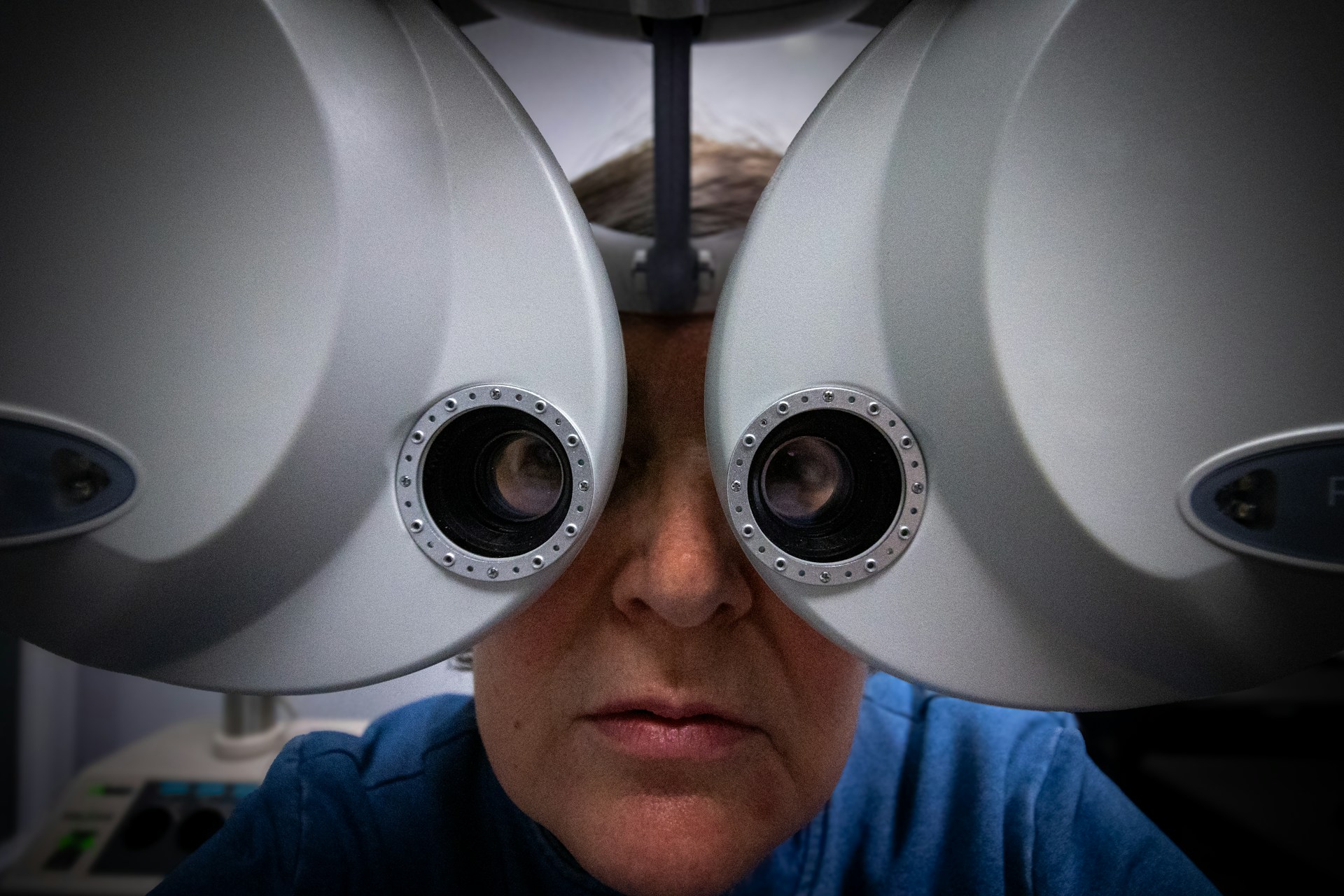
Glaucoma screening helps catch signs of eye problems before symptoms show up. For many people in Cypress,

A cataract is when the lens in your eye becomes cloudy. The lens is clear when you are born, but over time proteins in the lens break down and clump together. This makes it hard to see clearly.
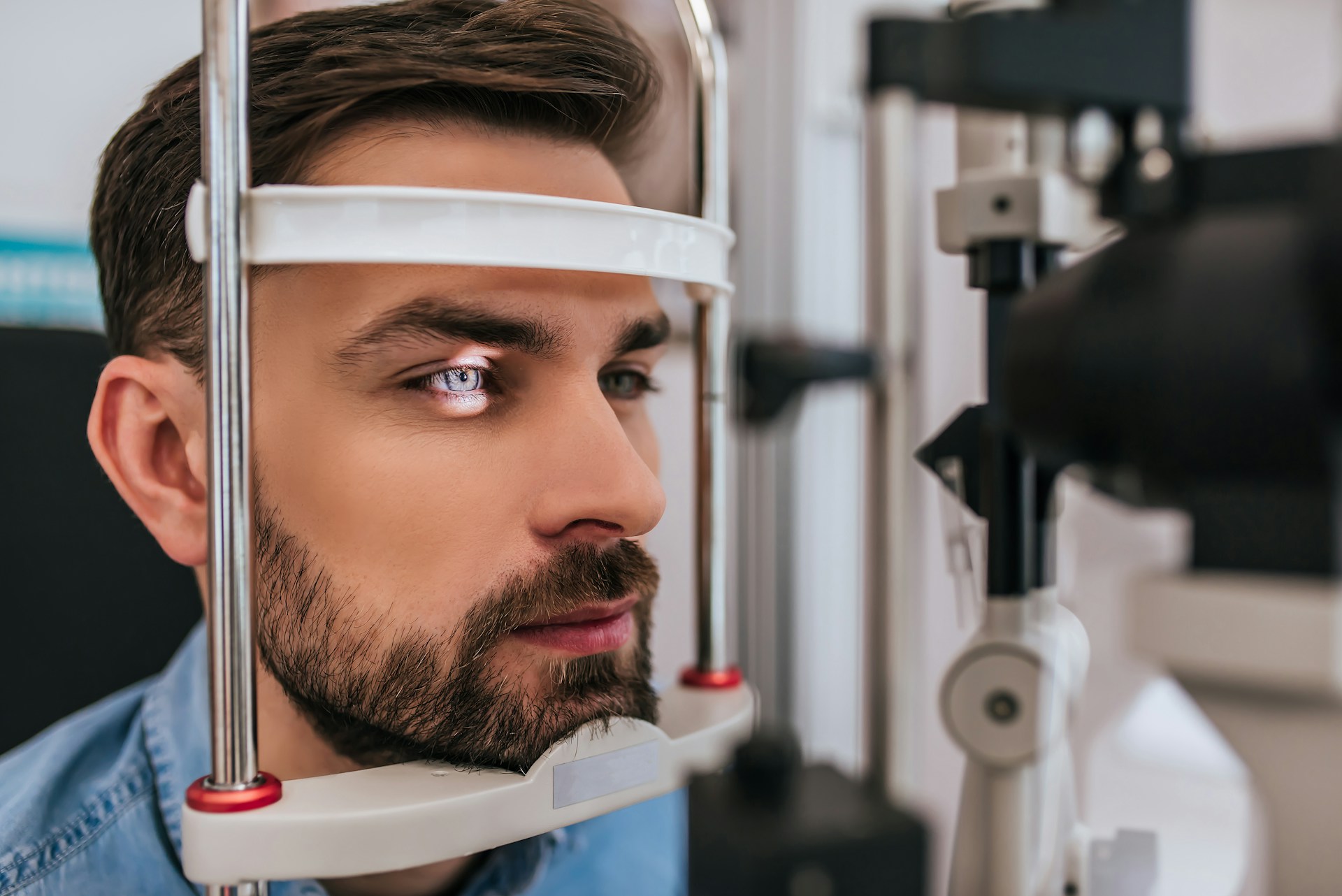
Eye emergencies can happen without warning, and knowing what to expect when you arrive for emergency eye care can ease some of the worry. These visits focus on identifying the problem and providing timely relief when it’s needed most.
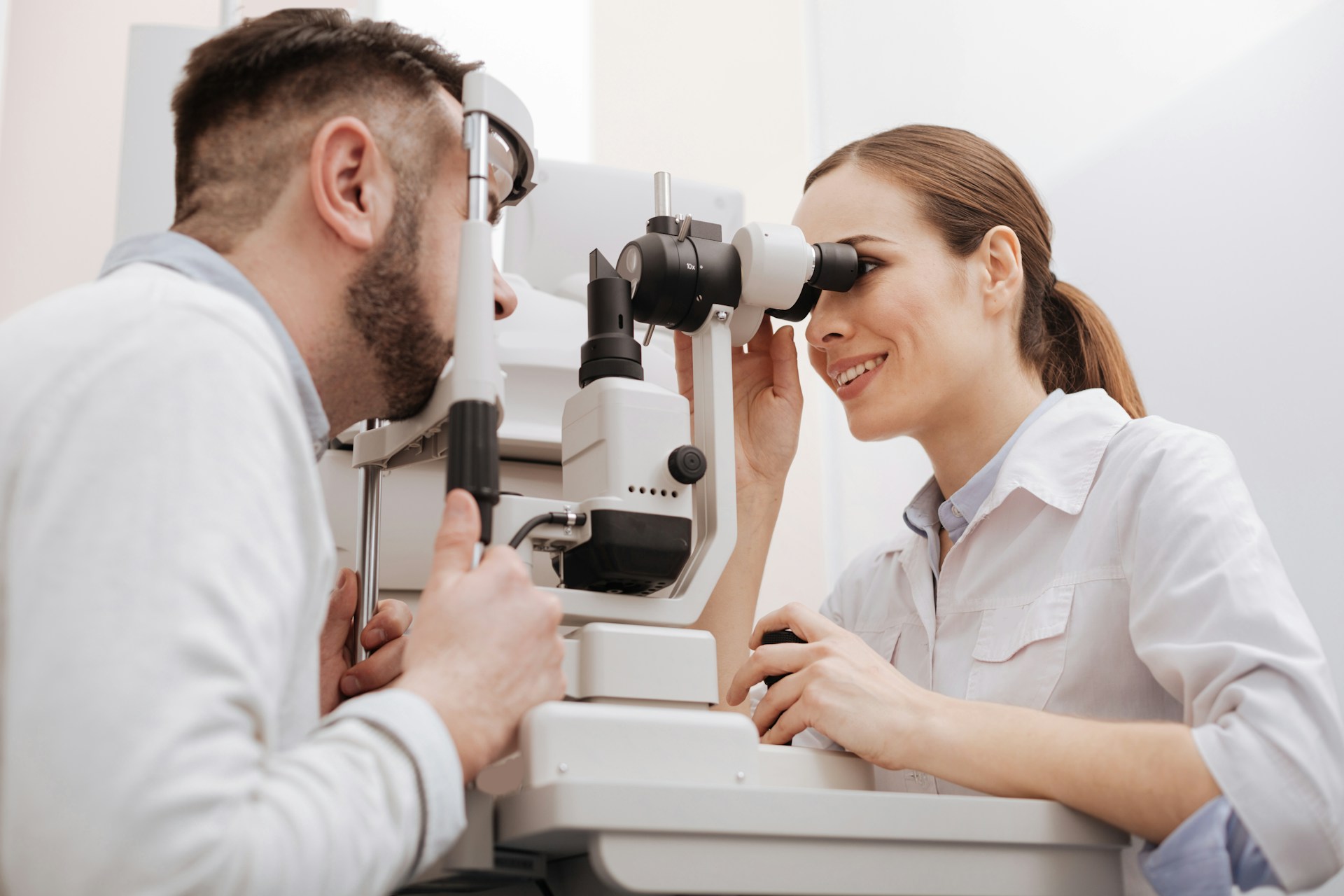
Myopia, or nearsightedness, is when things up close look clear but faraway items get blurry. It’s common and often shows up in childhood. Many kids can still do most tasks easily, but they might struggle to see the whiteboard at school, recognize signs while riding in the car, or follow distant details clearly.
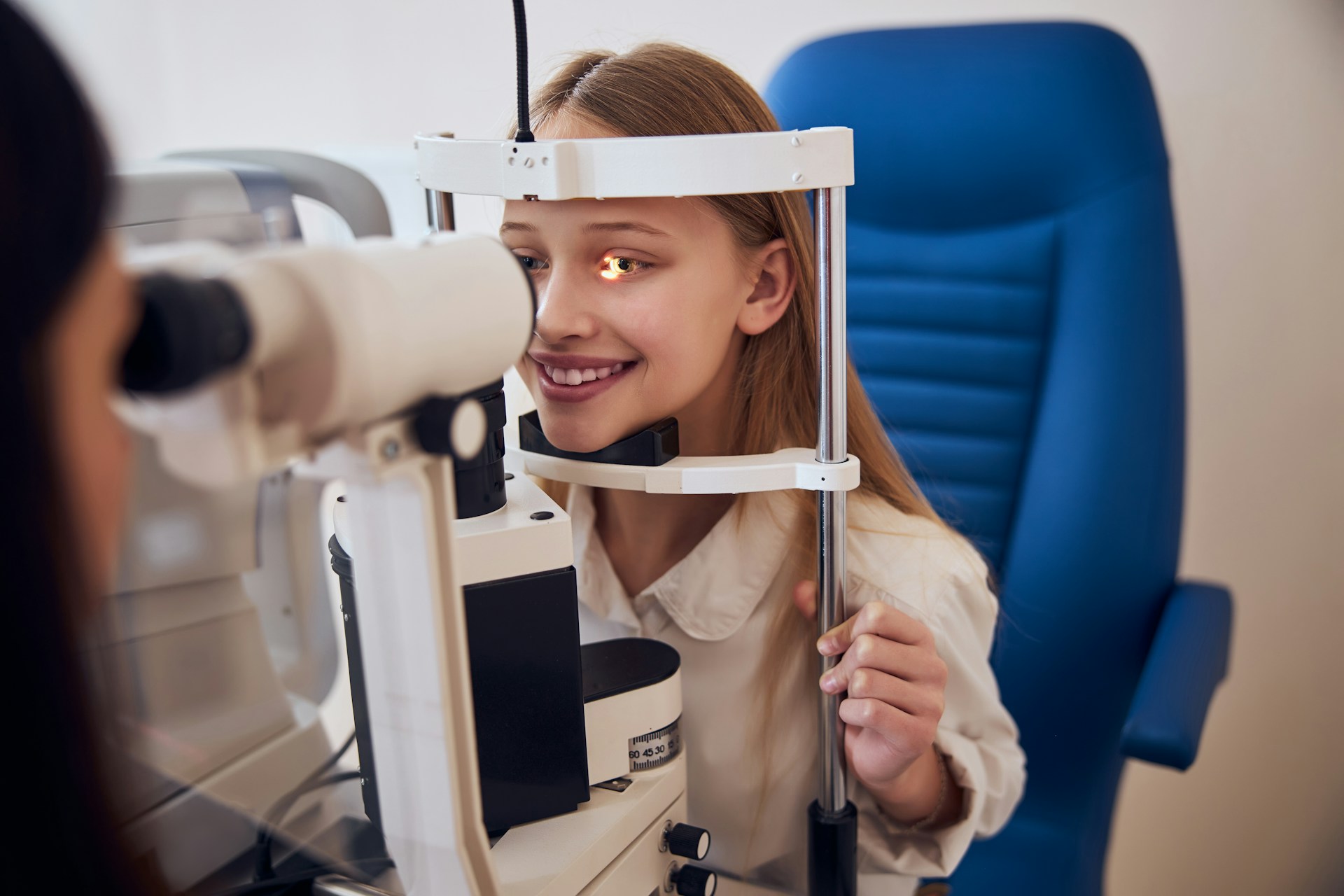
Heading to the eye doctor and feeling unsure about what to ask? You’re not alone. Many people leave appointments wishing they had spoken up about their concerns or asked clearer questions.

Myopia, often called nearsightedness, is a vision condition that affects many children around the world. When a child has myopia, distant objects appear blurry, while close objects are seen clearly.
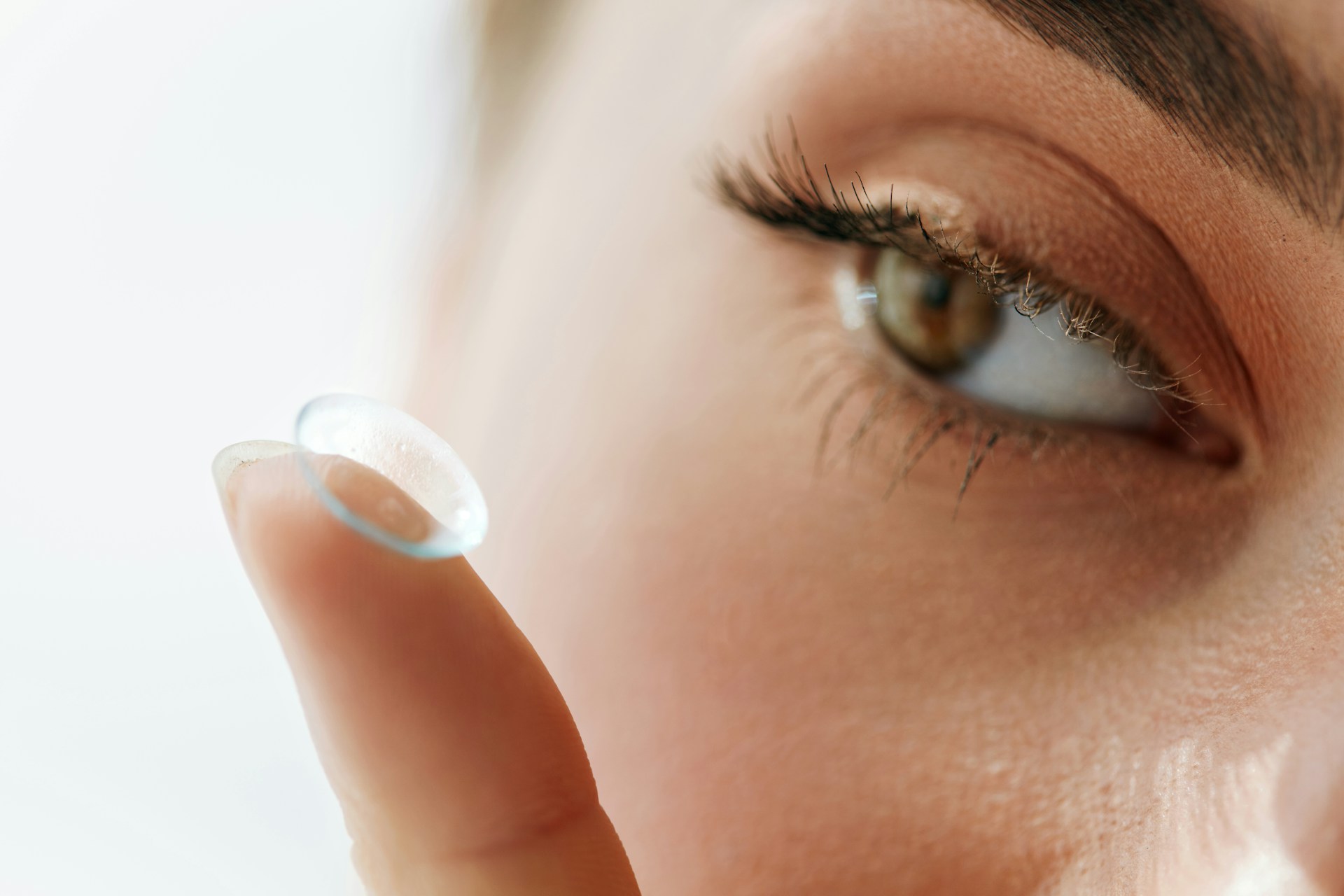
If contact lenses have ever felt uncomfortable or left your eyes tired halfway through the day, you’re not alone. Many people try lenses only to find them irritating and assume that’s just how it has to be.
© 2026 Cypress Family Eyecare. All rights Reserved. Accessibility Statement - Privacy Policy - Sitemap
Managed and Designed By
